
In 2026, ASJ reviewers continue to make outstanding contributions to the peer review process. They demonstrated professional effort and enthusiasm in their reviews and provided comments that genuinely help the authors to enhance their work.
Hereby, we would like to highlight some of our outstanding reviewers, with a brief interview of their thoughts and insights as a reviewer. Allow us to express our heartfelt gratitude for their tremendous effort and valuable contributions to the scientific process.
Andrei I. Gritsiuta, University of Texas Medical Branch, USA
Andrei I. Gritsiuta
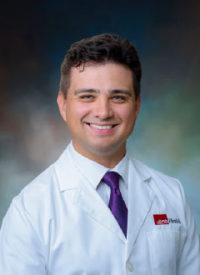
Dr. Andrei Gritsiuta is a cardiothoracic surgery fellow at the University of Texas Medical Branch with extensive international and U.S. training. He earned his medical degree from Lomonosov Moscow State University and completed his general surgery residency and thoracic surgery fellowship at the National Medical Research Center of Surgery in Moscow. He was awarded his PhD in 2019 for research on the surgical management of chronic pleural empyema. A board-certified general surgeon, he also completed a residency at the University of Pittsburgh Medical Center and a postdoctoral research fellowship at the University of Pennsylvania, where he studied pulmonary hypertension and lung oncology. His clinical and research experience includes training at Memorial Sloan Kettering Cancer Center, Rush University, and the University Hospital of Basel, as well as advanced robotic surgery training at Charité in Berlin and the AATS Thoracic Surgical Robotics Fellowship. His clinical interests include minimally invasive and robotic thoracic surgery, airway reconstruction, and thoracic oncology. Connect with him on LinkedIn.
ASJ: What reviewers have to bear in mind while reviewing papers?
Dr. Gritsiuta: When reviewing a manuscript, I keep in mind that my main goal is to help improve the work, not just judge it. I focus on whether the study is well designed, the analysis is appropriate, and the conclusions match the data, since this is more important than novelty alone. I also try to stay objective and avoid personal bias, looking at the study for what it aims to do rather than how I would have done it. At the same time, I keep my tone respectful and constructive, remembering that there are people behind the manuscript and that clear feedback helps both the authors and the field.
ASJ: Data sharing is prevalent in scientific writing in recent years. Do you think it is crucial for authors to share their research data?
Dr. Gritsiuta: Yes, I do think data sharing is important in modern scientific research. I believe that data ultimately belongs to the scientific community and should serve to help patients and advance the field. Sharing data improves transparency, allows others to validate results, and supports further research that can build on existing findings. At the same time, it must be done responsibly, with careful attention to patient privacy and ethical standards. When handled appropriately, data sharing strengthens both the credibility and the impact of scientific research.
AJS: Is there any interesting story during review that you would like to share with us?
Dr. Gritsiuta: I do not think I have any particularly exciting stories from the review process, but I do remember several manuscripts that I was able to help improve. Sometimes the core idea is buried under unclear writing and suboptimal structure, even though it is actually strong and impactful. With detailed and constructive feedback focused on clarifying the message and strengthening the analysis, the work can become much clearer, more compelling, and ultimately publishable. It is a good reminder that peer review is not just about identifying flaws, but about helping authors bring out the full potential of their work.
(by Lareina Lim, Brad Li)
